WhatsApp:
+8613188899036
Email:
[email protected]
Avoid your inquiry is delay response, please enter your WhatsApp/WeChat/Skype along with the message, so we can contact you at the very first time
We will reply you within 24 hours. If for urgent case, please add WhatsApp: +8613188899036, or WeChat: 0531-87968777. Or call 0531-87968777 directly.
* We respect your confidentiality and all information are protected. We will only use your information to respond to your inquiry and will never send unsolicited emails or promotional messages.
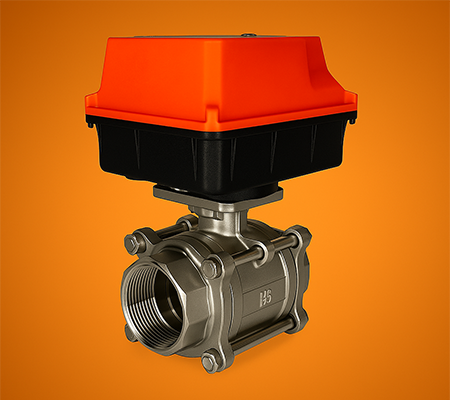
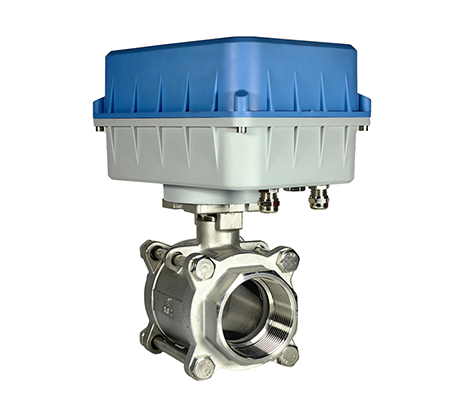
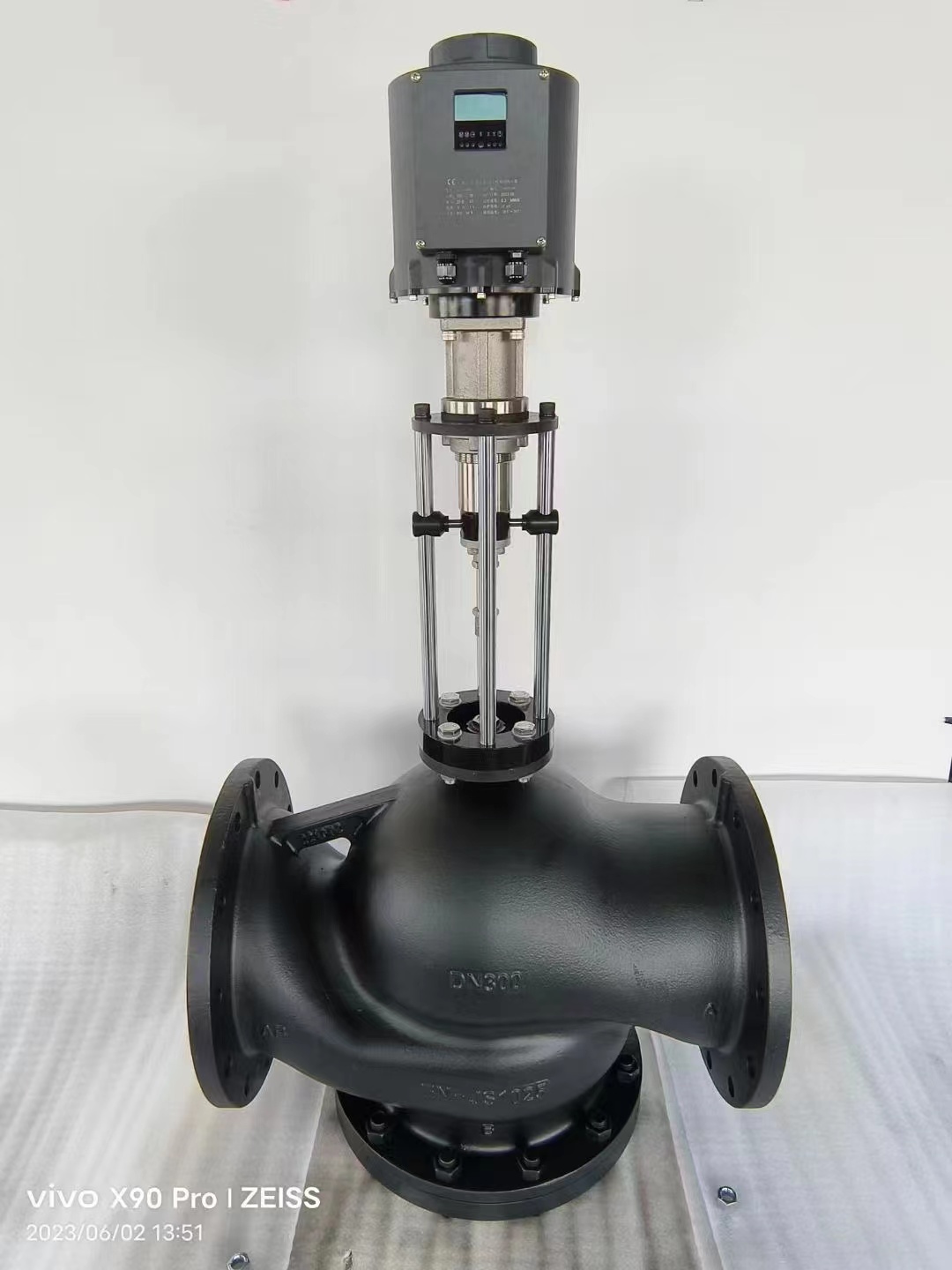
An electric valve actuator is a machine. It uses power to open and close a valve. Think of it like an electric hand that turns a knob for you. This guide will help you learn about the electric valve actuator. We will look at types, like quarter-turn actuator and multi-turn actuator. We will learn about control modes. We will see how to pick the right size. We will also learn about ISO 5211 mounting, IP67 actuator ratings, and how a torque limit switch works. This will help you choose the right motorized valve actuator.
Pipes carry water, air, or gas. A valve is like a door in the pipe. It can stop the flow or let it go. Turning these valves by hand is hard work. It takes a lot of time. This is a big problem.
Imagine a big factory. It has hundreds of valves. A worker would have to run all day to turn them. This costs time and money. Sometimes, a valve is in a place that is hard to reach. Or it is in a dangerous area. This makes the job even harder and unsafe. This is a big headache for many industries.
The solution is an electric actuator valve. This electric valve operator does the work for you. It is a motor that attaches to the valve. It turns the valve open or closed when you tell it to. It is used in many places.
The global market for these devices is big. It was about US$2,508.2M in 2024. It is expected to grow to US$3,127.7M by 2031. This shows how many people need this valve automation electric actuator.

electric valve actuator
You might wonder how this machine works. It seems complex. But it is made of simple parts. Not knowing how it works can make you choose the wrong one. A wrong choice can lead to broken pipes or stopped work.
An electric motor actuator for valve has a few main parts.
When you press “OPEN,” power goes to the motor. The motor turns the gears. The gears turn the valve stem. The valve opens. When it hits the “fully open” limit switch, it stops. The position control valve actuator then sends a signal back. It says, “The valve is open.” The same thing happens for “CLOSE.” This process ensures reliable control.
Picking the wrong type of actuator is a common mistake. A round peg does not fit in a square hole. If you match the wrong actuator to your valve, it will not work. It might even damage your expensive equipment. This can stop your whole operation.
The solution is to understand the different types. Match the actuator motion to the valve motion.
These are for valves that turn 90 degrees. That is a quarter of a full circle. This is why they are called quarter turn electric actuator or part turn electric actuator.
A rotary electric actuator is another name for this type. Often, you can use a direct mount electric actuator. This means it fits right on the valve. This is possible if the valve follows a standard like ISO 5211.
Some valves need many full turns to open.
Some valves do not turn at all. They move in a straight line. A linear electric actuator for valve pushes or pulls the valve stem.
You must think about how often the actuator will work. This is the duty cycle electric actuator. Some only work a few times a day. Others work all the time. An actuator for a simple on/off task is different from one used for constant adjustments. A continuous duty electric actuator can work without stopping. Standards like EN 15714-2 define these classes. Choosing a trusted electric valve actuator manufacturer is key. A good supplier, like Navarch, can help. They offer solutions for many industries, from heating systems to system automation. They focus on system efficiency and energy saving.
Do you need the valve fully open or fully closed? Or do you need it somewhere in between? This is a big question. Using a simple on/off actuator when you need precise control is a problem. It is like having a light switch when you need a dimmer. You can’t get the flow just right. Your system might swing from too hot to too cold.
This lack of control can waste energy and create unstable conditions. Imagine trying to mix hot and cold water to get a perfect warm temperature. With just on/off taps, you would be fighting it all day. This is the agitation.
The solution is to choose the right control type.
This is the simple choice. It is also called an on off electric actuator. It moves the valve to one of two positions: fully open or fully closed. It is perfect for isolation, where you just need to stop the flow completely.
A modulating electric actuator is like a dimmer switch. It can stop at any point between 0% and 100%. This gives you very fine control. This is also called a proportional electric actuator.
It uses a control signal to know where to go.
Sometimes you need to control many actuators from a computer. This is where communication protocols come in. They are like languages that the actuators understand.
Choosing the wrong size actuator is a huge problem. If the actuator is too weak, it cannot turn the valve. Your system will fail. If it is too strong, you waste money. An oversized motor operated valve actuator can even break the valve stem. This is a costly mistake.
Think about it. Your entire process stops. You have downtime. You have to pay for a new valve and a new actuator. You have to pay workers to fix it. All because of a sizing mistake. This agitates any plant manager.
The solution is to do your homework. You must know these things to pick the right size.
You will see torque written in Newton-meters (Nm). You must find an actuator with the right torque range Nm actuator. You can find a high torque electric actuator for big valves or a low torque electric actuator for small ones.
How fast does the valve need to open? A fast acting electric actuator might seem good. But sometimes, closing a valve too fast can cause a problem called water hammer. This is a loud bang in the pipes that can cause damage. A slow speed electric actuator can be better. Many have an adjustable travel time actuator.
How often will the actuator work? If it runs constantly, you need one built for it. You must match the actuator to the job. This is defined by standards from Iteh Standards.
| Parameter | Example Value 1 | Example Value 2 |
| Operating Current | 200A (Old) | 34A (New 24V DC) |
| Starting Current | 230A (Old) | 64A (New 24V DC) |
| Efficiency | ~35% | >90% |
This table shows how modern actuators, like the 24VDC electric valve actuator, are much better. They use less power. They are more efficient. Other power options include a 12VDC valve actuator, 110VAC electric actuator, 220VAC electric actuator, 230VAC electric actuator, 380VAC three phase actuator, or 415VAC three phase actuator.
You bought a new actuator. You try to attach it to your valve. It does not fit. The holes are in the wrong place. The drive shaft is the wrong shape. This is a very common problem. Now you have to stop work. You have to order a new part. This wastes time and money. An actuator mounting bracket kit might be needed.
This is frustrating. Your project is now delayed. All because of a simple mounting mismatch. This is where standards are your friend.
The solution is to use a standard like ISO 5211. This standard was created by the 国际标准化组织 (International Organization for Standardization).
ISO 5211 is a rule book for mounting. It tells manufacturers how to make the bottom of a part-turn actuator and the top of a valve. If both follow the rule, they will fit together perfectly. An ISO 5211 electric actuator is what you should look for.
ISO 5211 uses F-sizes for the flange. The flange is the flat part with bolt holes. Common sizes are F03 F04 F05 actuator mounting, F07 actuator mounting (ISO F07 flange), and F10 actuator mounting (ISO F10 flange). The standard also defines the shape of the drive. A NAMUR interface actuator is another standard you might see. When you buy an ISO 5211 flange mounted actuator, you just need to match the F-size. For example, if your valve has an F07 top, you need an actuator with an F07 bottom.
Water, dust, and dirt are everywhere. If they get inside your actuator, they can cause it to fail. This is a big problem. An actuator that stops working can shut down your whole plant. A failed electrical valve actuator in a water balancing valve system can cause floods or shortages.
Imagine your equipment sitting outside in the rain. Or in a dusty factory. Or in a room that gets washed down with high-pressure water. Without protection, it will break. This can be very costly and dangerous.
The solution is to choose the right enclosure.
The IP Code tells you how well the enclosure protects the inside parts. IEC 60529 is the standard that defines it. It is written by iec.ch.
In cold or humid places, water can form inside the actuator. An anti condensation heater actuator is a small heater that keeps the inside dry. A thermal overload protection actuator protects the motor from getting too hot. For salty air, like on a ship, you need special coatings or stainless steel parts.
Some places have explosive gases or dust. An explosion proof electric actuator is required here. They must be certified.
You have the perfect actuator. But if you install it wrong, it will fail. This is a frustrating problem. Many field issues come from simple installation mistakes. This can damage the actuator, the valve, or both.
You spent good money on a quality electric valve actuator supplier. You picked the right size and type. Now, a small mistake during setup causes a big failure. This is a headache you do not need.
The solution is to follow a simple checklist. This will prevent most problems.
Even the best machine can have problems. An actuator that stops working is a problem. You need to find the cause and fix it fast. Downtime costs money.
Your system is down. You are losing production. You are not sure what is wrong. Is it the motor? The wiring? The valve? This uncertainty is stressful.
The solution is a quick guide to common problems.
The torque switch protects the valve. But if it is set too low, it will cause nuisance trips. If it is set too high, it will not protect the valve. It is important to set it correctly.
A good manufacturer, like Navarch, can help. Navarch is a professional factory. They make intelligent devices and valve solutions. They have five production lines and can make 8,000 tons of valves a year. Their team of experts can provide support. They help make sure you get the highest quality products and efficient engineering support. They offer everything from an electric actuator to a complete smart water valve.
Getting a price quote can be a problem. If you do not give the supplier enough information, they cannot give you an accurate price. You will waste time going back and forth with emails.
You need a quote fast for your project. The deadline is coming. But you are stuck waiting for the electric valve actuator price because you forgot to mention the power supply.
The solution is to use a simple template. Copy and paste this list into your request for quotation (RFQ).
| Information Needed | Your Specification |
| Valve | Type, size, pressure, stem connection (ISO 5211 size?) |
| Media | What is in the pipe? Temperature? |
| Torque/Thrust | Required force + safety margin |
| Control | On/Off or Modulating; Signal (4–20 mA, 0–10 V) |
| Power | Voltage (e.g., 24VDC, 230VAC) |
| Enclosure | IP rating needed (e.g., IP67) |
| Approvals | ATEX, CE marking, SIL, etc. |
| Quantity | How many do you need? |
| Documentation | Manual, wiring diagram, test report |

 English
  French
  Spanish
  Russian
  Arabic