Does your plant struggle with unexpected shutdowns? Do rising energy bills and maintenance costs eat into your profits? You are not alone. Many industrial plants face a constant battle with aging equipment. A simple valve failure can bring an entire production line to a halt. This costs you money and time. It can even create safety risks. The problem is getting worse as systems become more complex. You need a better way to control your operations.
This article explains a powerful solution: the smart valve. We will show you what smart valves are, how they work, and how they can solve these big problems. Get ready to learn how this digital valve technology is changing factories for the better.
What Are Smart Valves?
Basic definition of a smart valve
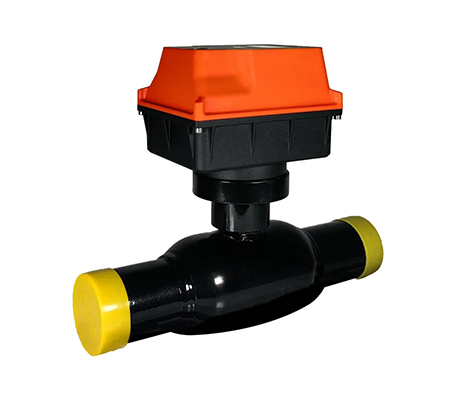
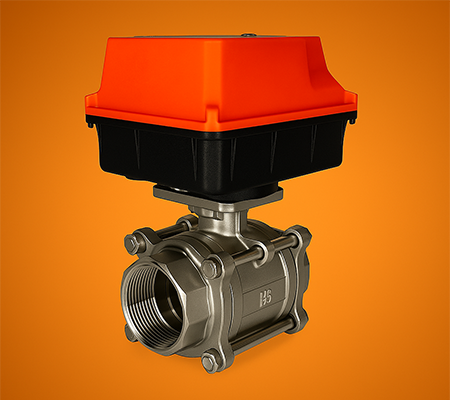
A smart valve is more than just an automated valve. It is an intelligent valve system. Think of it as a valve with a small brain inside. It has sensors and a tiny computer (a microprocessor). This allows the valve to not only open and close but also to think, check its health, and talk to other machines.
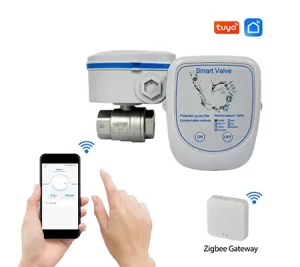
what are samrt valves
Smart valve vs traditional control valve vs simple automated valve
To understand a smart valve, let’s compare it to other valves.
- Traditional Control Valve: This valve is controlled by a simple signal, like air pressure. It does its job, but it cannot tell you if something is wrong. It has no brain.
- Simple Automated Valve: This is a step up. It uses an electric smart actuator or a pneumatic smart actuator to open and close. You can control it from a computer. But it still cannot tell you about its health or the conditions inside the pipe.
- Smart Valve: This is the most advanced. It has everything an automated valve has, plus smart valve sensors and on-board intelligence. It uses a digital valve controller to not only control the flow but also to perform valve diagnostics system checks. It is a key part of the Industrial Internet of Things (IIoT).
| Valve Type |
Control Method |
Self-Diagnostics |
Communication |
| Traditional Control Valve |
Analog (e.g., air) |
No |
None |
| Simple Automated Valve |
Digital On/Off |
No |
Basic |
| Smart Valve |
Digital & Intelligent |
Yes |
Advanced (IoT) |
Core components
A smart valve is made of several key parts working together:
- Valve Body: The main part that the fluid flows through. It can be a ball valve, butterfly valve, or globe valve.
- Actuator: The muscle of the valve. It is the motor that opens and closes the valve. This can be an electric valve actuator or a pneumatic one.
- Smart Positioner: This is the brain. It’s a digital valve controller that receives commands and precisely controls the valve’s position. It also collects data.
- Sensors: These are the nerves. They measure things like pressure, temperature, flow, and the valve’s position. This is where valve position feedback systems come in.
- Communication Module: The mouth and ears. This allows the valve to connect to a central control system like a SCADA valve integration or a PLC valve communication network.
Where smart valves fit
Smart valves are a vital part of modern industrial automation. They are the hands and feet of large control systems like a DCS (Distributed Control System) or SCADA (Supervisory Control and Data Acquisition). They connect the physical world of pipes and fluids to the digital world of control rooms and cloud-based valve dashboards.
How Smart Valves Work – Architecture & Data Flow
How does a smart valve use its brain and nerves to make a factory run better? It all comes down to data.
Sensor layer – data collection
It starts with the sensors. A smart valve is always feeling and listening. It collects data every second:
- Position: Is the valve open, closed, or somewhere in between?
- Pressure: What is the pressure of the fluid inside the pipe?
- Temperature: Is the fluid hot or cold?
- Flow: How much fluid is passing through?
- Vibration: Is the valve shaking or moving in a way that could mean trouble?
This is called valve condition monitoring.
On-board intelligence – local control
The smart positioner, or programmable valve actuator, takes all this sensor data and thinks about it. It can make small adjustments on its own to keep the process running smoothly. If it feels that it’s getting harder to move, it knows that it might be getting stuck. This is the beginning of AI-powered valve automation.
Communication layer – talking to the system
The smart valve then needs to report what it knows. It uses special languages, called protocols, to talk to the main computer. Common protocols include:
- HART protocol
- Modbus valve control
- Profibus smart valves
- Ethernet/IP valve modules
- OPC UA valve systems
This communication can happen over wires or through wireless valve control systems, making it a key part of any industrial smart valve network.
Integration with PLC / DCS / SCADA / cloud platforms
The data from the valve flows to a central brain, like a PLC or DCS. From there, it can be shown on an HMI valve interface (a screen for the operator) or sent to the cloud. Once in the cloud, powerful valve data analytics software can look for patterns and predict the future.
Example data cycle
- Event: A pump in a wastewater smart valves system suddenly increases pressure.
- Smart Valve Action: The smart valve’s pressure sensor detects the spike. The on-board logic tells the actuator to close slightly to protect the system.
- Diagnostics Feedback: The valve records that it had to work harder than usual to close. It sends this data packet (torque, pressure, and time) to the central system.
- Analytics Dashboard: The cloud software sees this high-torque event. It compares it to thousands of other events and flags it as a sign of early-stage valve sticking. A work order is automatically created for the maintenance team to check it during the next planned shutdown.
This is how a smart valve prevents a small problem from becoming a big, expensive one.
Types of Smart Valves and Related Devices
Smart technology can be added to many types of valves.
- Smart control valves: These include globe, ball, and electric butterfly valve types. They are used for throttling and precisely controlling the amount of flow, which is critical in HVAC smart control valves and chemical plants.
- Smart on/off and emergency shutdown (ESD) valves: Their job is simple: open or close. But a smart ESD valve will test itself regularly to make sure it will work perfectly in an emergency.
- Smart solenoid and proportional valves: Used for very fast switching or mixing exact amounts of fluids. You see these in food and beverage or pharmaceutical process valves.
- Smart positioners and digital valve controllers: These are the brains. Companies like Siemens, Emerson, and leading manufacturers offer these devices. They can be bought separately to upgrade existing valves.
- Retrofit kits: You don’t always have to buy a whole new valve. Digital valve retrofit kits can be used to turn an old automated valve into an intelligent valve. This is a cost-effective way to get the benefits of decentralized valve automation.
Key Features and Functions of Smart Valves
What makes these valves so special? It’s their powerful features.
Real-time monitoring
A smart valve lets you see what is happening right now. You can track its stroke (how much it has moved), the torque (how much force it’s using), and its cycle count (how many times it has opened and closed). This is remote valve monitoring at its best.
Advanced diagnostics
This is where the magic happens. A smart valve is always checking its own health. It can detect:
- Friction trends: Is the valve getting harder to move over time?
- Leakage detection: Is the valve seat worn out and letting fluid slip past?
- Sticking detection: Is the valve getting stuck in one position?
This is like having a doctor for every valve in your plant.
Predictive maintenance and health indices
Because the valve is always monitoring itself, it can predict when it will fail. This is called predictive maintenance valves. The system can give the valve a “health score” and estimate its “remaining useful life.” Data shows that this approach can reduce maintenance costs by 18–25% and cut unplanned downtime by up to 50%.
World-class manufacturers, such as Navarch, specialize in these kinds of energy-saving control systems. With an annual output capacity of up to 8,000 tons of valves from five efficient production lines, they have the scale and experience to build these reliable systems. Their focus on strict quality control ensures that the diagnostic data is accurate and trustworthy.
Remote configuration and firmware updates
If you need to change how a valve operates, you don’t have to send a technician into the field. You can do it from the control room using smart valve configuration software. You can also send out valve firmware updates to give the valve new features, just like updating your smartphone.
Integration with digital twins
The data from a smart valve is so good that it can be used to create a valve digital twin technology. This is a computer model of the real valve. You can test changes on the digital twin before you do them in the real world. This improves safety and efficiency.
Benefits of Smart Valves for Plants and Facilities
Using smart valves brings huge benefits.
- Reduced unplanned downtime: This is the biggest benefit. By predicting failures, you can fix valves before they break. One study in cement manufacturing found that smart valves led to a ~40% reduction in valve-related downtime, saving one plant ≈US$2.1M in lost production.
- Higher process efficiency and energy savings: Smart valves provide tighter control. This means less wasted product and less wasted energy. For example, high-efficiency smart rotary valves have been shown to reduce compressed-air leakage by up to 15% and cut system pressure by 20–35%. This leads to real savings on your energy bills.
- Lower maintenance costs: You can stop doing maintenance based on a calendar (“time-based”). Instead, you only do it when the valve needs it (“condition-based”). This means fewer man-hours and fewer spare parts.
- Improved safety and regulatory compliance: Leaks and failures can be dangerous. Smart valves help you find and fix leaks early. They also create a perfect record of all valve activity, which is important for safety audits.
- Better decision-making: With months or years of data from your valves, you can see patterns you never saw before. This helps you make smarter decisions about how to run your plant.
Smart Valve Use Cases and Applications by Industry
Smart valves are used in almost every industry.
- Oil & gas and petrochemicals: For refinery valve automation and controlling huge oil & gas pipeline valves. Safety is critical here, so predictive maintenance is a must.
- Chemical and pharmaceutical manufacturing: Where precision is key. A proportional regulating valve can deliver the exact amount of chemical for a perfect batch every time.
- Water and wastewater treatment: For smart water management valves. In student housing, a smart water system with automated shutoff valves reduced water usage by ≈68%, saving over £111k+ annually.
- Power generation and steam systems: Controlling high-pressure steam is tough. Smart valves with high-temperature control valves can handle the pressure and provide early warnings of wear.
- HVAC and smart buildings: Building automation valves are used to control heating and cooling. HVAC smart control valves can reduce a building’s energy use by making sure no room is ever too hot or too cold.
- Food & beverage and hygienic processes: Sanitary automated valves are designed to be easily cleaned and prevent bacteria from growing. Smart versions of these valves can verify that cleaning cycles were done correctly.
How to Choose the Right Smart Valve – Buyer’s Checklist
Ready to upgrade? Here is a checklist to help you choose the right industrial smart valve supplier.
- Define process and media: What fluid will the valve control? Is it corrosive? What are the pressure and temperature ranges?
- Control performance requirements: How precise does the control need to be? How fast does the valve need to react?
- Required diagnostics depth: Do you need basic health alerts or deep predictive valve failure detection?
- Protocol and system compatibility: Does the valve need to speak Modbus, Profibus, or another language to connect to your PLC/DCS?
- Cybersecurity requirements: If the valve is connected to the internet (cloud-connected valves), you need to protect it from hackers. Look for strong cybersecurity for valve networks.
- Retrofit vs new installation: Is it better to upgrade your old valves or install brand new ones?
- Total cost of ownership: Don’t just look at the upfront price. Think about the savings in energy, maintenance, and downtime over the valve’s life. A high-quality valve from an experienced smart valve manufacturer may cost more initially but save you much more in the long run.
FAQs About Smart Valves
What is the difference between a smart valve and an automated valve?
An automated valve can be controlled remotely. A smart valve can do that too, but it also has on-board sensors and a microprocessor to monitor its own health and performance, enabling advanced diagnostics and predictive maintenance.
Do smart valves always require cloud connectivity?
No. Many smart valves work on a local control network connected to a plant’s PLC or DCS. This is called edge-computing smart valves. Cloud connectivity adds more power, allowing for analysis of data from thousands of valves across many sites, but it is not always required.
How do smart valves enable predictive maintenance in practice?
They collect data on performance, such as the torque needed to open and close. An increase in torque over time indicates wear or sticking. The intelligent valve management system uses algorithms to analyze these trends and alert operators to a probable failure before it happens, allowing maintenance to be scheduled.
What is a typical payback time for upgrading to smart valves?
This varies by application. For energy-saving projects, the payback can be as fast as 18 months. In critical applications where a single failure can cause a million-dollar shutdown, the payback for a single avoided incident is instant. For a typical water softener, the ROI is generally 3–5 years.
Can smart valves be used in hazardous or SIL-rated applications?
Yes. Many manufacturers offer smart valves and electric valve actuators that are certified for use in hazardous locations (ATEX) and in Safety Instrumented Systems (SIL). These valves have special designs to prevent sparks and are built with the reliability needed for safety-critical functions.
string(108) "https://www.navarchjncn.com/news/electric-valve-actuator-types-sizing-and-selection-guide-on-off-modulating/"

 English
  French
  Spanish
  Russian
  Arabic